
Diagnostic guide
Why Does My Circuit Breaker Trip Frequently in Puyallup?
Last reviewed · Reviewed by the Pro Electrician technical team
Short answer
A circuit breaker trips repeatedly due to three primary causes: an electrical overload (too many high-amperage appliances drawing power simultaneously on one branch line), a short circuit or ground fault (a hot wire contacting neutral or ground), or internal breaker mechanical fatigue after decades of service.
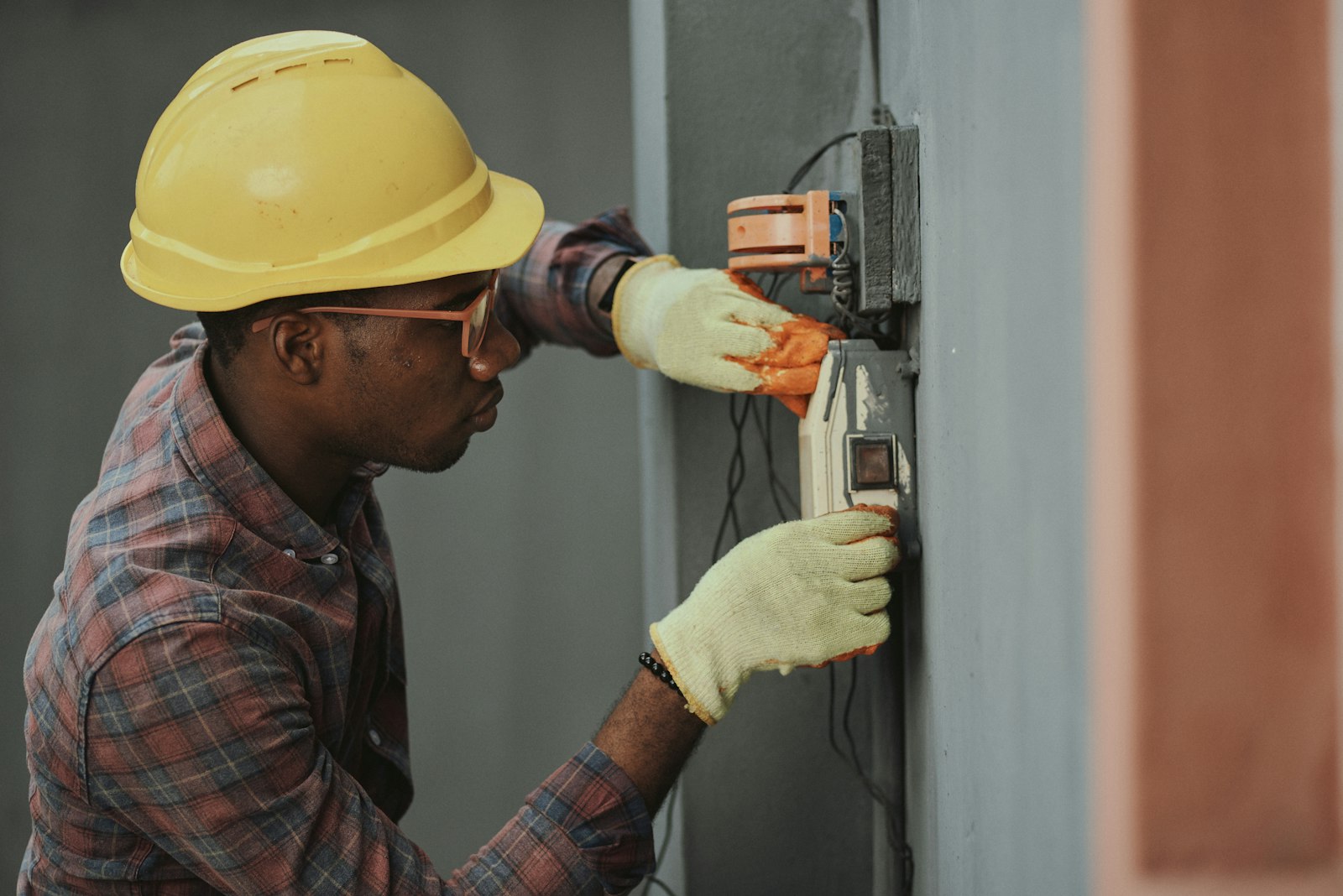
Overloaded Branch Circuits vs. Direct Short Circuits
The most common cause of nuisance tripping in Puyallup homes is branch circuit overload. Standard bedroom and living room circuits are protected by 15-amp breakers wired with 14 AWG copper wire. Running a 1,500-watt space heater (12.5 amps) on the same circuit as a computer setup or television draws over 16 amps, tripping the thermal bi-metal strip after several minutes. In contrast, a short circuit occurs when bare copper hot conductors directly touch neutral or bare ground wires. This creates massive instantaneous current flow, causing the magnetic coil to snap the switch off immediately.
- High winter heating demands push branch circuits past their 80% continuous threshold
- Multiple kitchen appliances running simultaneously on shared receptacle runs
- Direct dead shorts causing instantaneous magnetic breaker trips with a loud pop
Why You Must Never Replace a 15A Breaker with a 20A Breaker
Homeowners frustrated by repeated tripping often ask if they can simply swap their 15-amp breaker for a 20-amp model. Doing so is an extreme fire hazard and violates the National Electrical Code. Circuit breakers are strictly sized to protect the specific gauge of wire inside your walls. Standard 14 AWG wire is only rated for 15 amps. Installing a 20-amp breaker allows dangerous levels of heat to build up inside wall studs before tripping, turning your concealed wiring into an electrical heating element.
When a Tripping Breaker Indicates Imminent Fire Danger
If a circuit breaker handle feels spongy, refuses to latch into the ON position, emits a buzzing sound, or produces a fishy burning odor, you must leave the breaker off. Repeatedly forcing a tripping breaker to reset can weld internal contacts together, eliminating protection and allowing wires inside your walls to ignite.