
Diagnostic guide
Is Whole-House Surge Protection Really Worth It?
Last reviewed · Reviewed by the Pro Electrician technical team
Short answer
Yes. Whole-house surge protection is highly cost-effective because it safeguards thousands of dollars in hardwired appliances—including heat pumps, furnaces, smart refrigerators, and EV chargers—that cannot be plugged into standard surge strips. Panel-mounted SPDs stop voltage spikes before they enter home circuits.
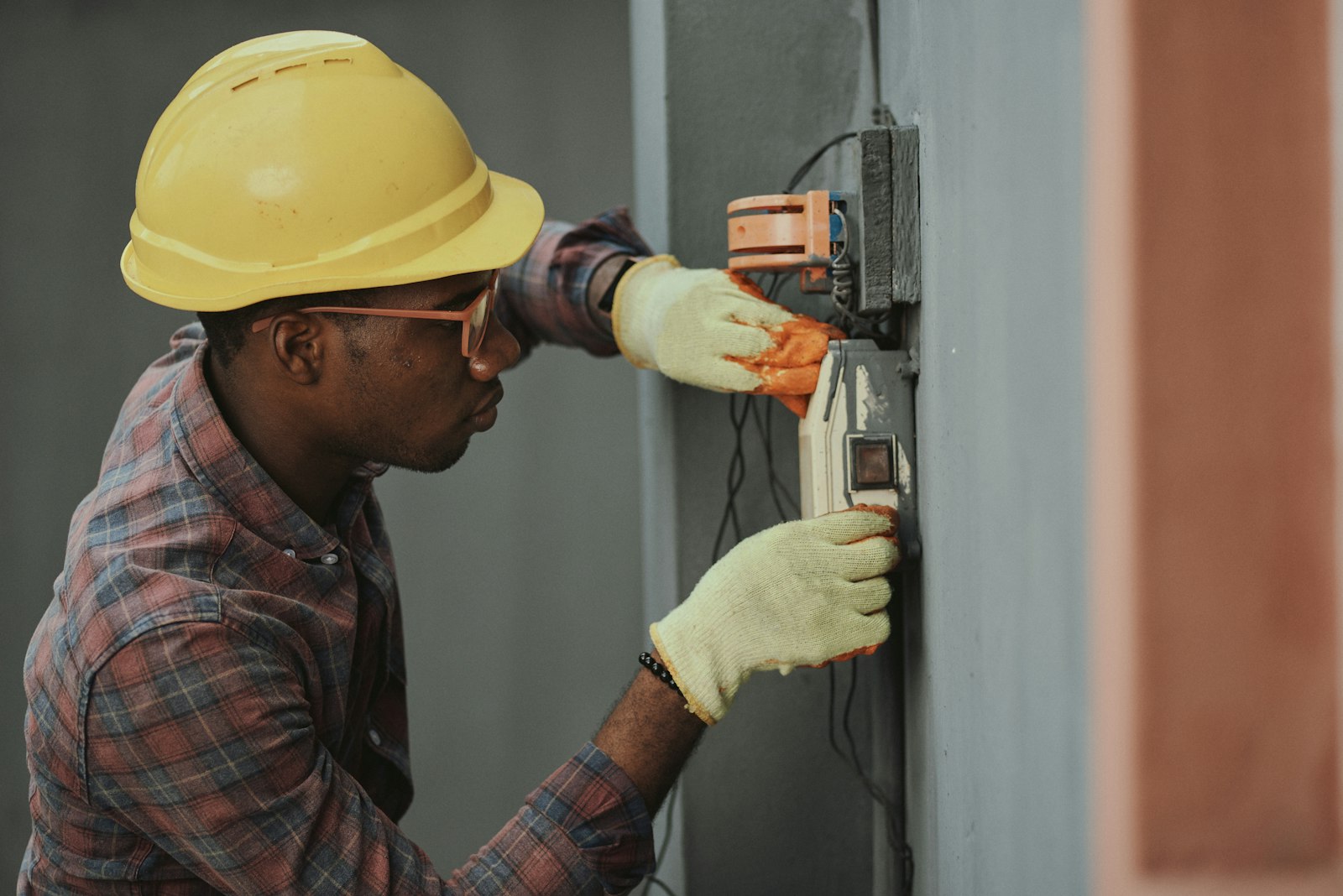
Internal vs. External Voltage Surges
While homeowners usually blame utility transformers or lightning for electrical damage, the Electrical Safety Foundation estimates that roughly 80% of voltage transients originate inside the home. Every time your high-efficiency heat pump compressor or refrigerator motor cycles off, trapped inductive magnetic energy collapses back into your electrical panel as a brief 500-volt to 1,500-volt spike. While these micro-surges do not cause catastrophic fire immediately, they repeatedly degrade delicate circuit board components, leading to mysterious appliance board failures years ahead of schedule.
- Over 80% of transient surges originate internally from cycling motors
- Substation grid switching produces repetitive high-voltage line transients
- Microprocessors on heat pump inverter boards are highly vulnerable to voltage sags and spikes
Why Power Strips Cannot Protect Your Entire Home
Surge power strips provide valuable secondary protection for home office computers and televisions, but they are physically incapable of protecting your most expensive equipment. Your heat pump outdoor condensing unit, air handler, water heater, induction stove, garage door openers, and hardwired Level 2 EV charging stations are hardwired directly to your electrical panel with no plug-in outlet in between. A panel-mounted Type 2 SPD sits at the electrical front door of your home, redirecting incoming transients to ground before they enter branch circuits.
National Electrical Code Mandate (NEC Article 242)
Recognizing the vulnerability of modern residential electronics and the fire safety benefits of surge suppression, the National Electrical Code updated regulations to mandate that all new residential service panels and panel replacements must include an approved Type 1 or Type 2 surge protective device. Installing an SPD ensures your home meets current safety standards and protects equipment warranties.